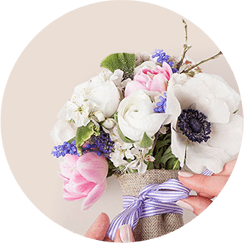
From Farm to Vase: How [COMPANY] Sources Quality Blooms Responsibly
Posted on 22/11/2025
From Farm to Vase: How [COMPANY] Sources Quality Blooms Responsibly
Flowers shouldn't just look good on day one. They should be grown fairly, shipped thoughtfully, and arrive with a story you can feel proud to share. That's the heart of From Farm to Vase: How [COMPANY] Sources Quality Blooms Responsibly. If you've ever unwrapped a bouquet and wondered where it really came from, who picked it, how it was treated in transit, and whether it was grown in harmony with the land--this guide answers the lot. And, to be fair, once you know what to look for, you'll never see a bunch in the same way again.
We'll walk through the nuts and bolts of ethical floriculture: the standards that matter, the cold-chain practices that protect vase life, how to read certifications, and what [COMPANY] actually does on the ground with farms from Kent to Kenya. Expect practical advice, gentle myth-busting, and a few behind-the-scenes micro-moments--because yes, you can almost smell the cardboard dust when a fresh shipment lands on a rainy Tuesday in London.
Table of Contents
- Why This Topic Matters
- Key Benefits
- Step-by-Step Guidance
- Expert Tips
- Common Mistakes to Avoid
- Case Study or Real-World Example
- Tools, Resources & Recommendations
- Law, Compliance or Industry Standards (UK-focused)
- Checklist
- Conclusion with CTA
- FAQ
Why This Topic Matters
Blooms are not just pretty things in a vase--they're agricultural products with supply chains that can uplift communities or harm them, protect ecosystems or exhaust them. The choices we make, whether as buyers or businesses, influence water use, biodiversity, labour rights, and carbon emissions. That's why From Farm to Vase: How [COMPANY] Sources Quality Blooms Responsibly isn't just a catchy line; it's a commitment to traceability, transparency, and long-term quality you can see and smell.
Consider this: the global cut-flower trade links East African highlands, Dutch auctions, and British homes in a matter of days. When it's done right, workers are paid fairly, water is carefully managed, pest control is integrated, and energy use is tracked. Done poorly, you get excessive pesticide loads, wasteful packaging, and flowers that droop before the week is out. It's a choice, not a coincidence.
A micro-moment: one January morning, the air in our conditioning room was crisp enough to fog your breath. As we opened a consignment from a Fairtrade-certified farm, the scent of garden roses rolled out--tea, fruit, a whisper of spice. The stems were cool, turgid, neatly graded. That's what a maintained cold chain and responsible handling feels like. Real quality tends to announce itself quietly.
Key Benefits
When [COMPANY] prioritises responsible sourcing and quality-first handling, the benefits ripple from farm to vase:
- Longer vase life: Flowers harvested at the right stage, cooled immediately, and kept at consistent temperatures (usually 0-5?C for most varieties) last longer. Less wilting. More wow.
- Richer colours and scents: Healthy plants produce richer pigments and natural fragrances. You'll notice it--especially with garden roses, stocks, and freesias.
- Fewer surprises: Traceability and farm audits mean fewer quality shocks. It also means fewer emergency re-deliveries. Your event runs smoother, your home looks fresher.
- Fairer wages, safer work: Ethical certifications (Fairtrade, Rainforest Alliance, Florverde, MPS, GlobalG.A.P.) require worker protections, training, and health & safety protocols.
- Lower footprint, smarter logistics: Efficient routing, cool-chain compliance, and seasonally aligned sourcing reduce waste and unnecessary emissions.
- Resilience during disruptions: With vetted, diversified farms and transparent data, [COMPANY] can pivot during weather extremes, strikes, or border changes, keeping flowers flowing.
Truth be told, quality and ethics aren't in competition. They reinforce each other. Healthy farms produce better stems. Better stems make happier customers. Simple, really.
Step-by-Step Guidance
1) Define standards and align on values
[COMPANY] begins with a responsible sourcing policy: social, environmental, and quality requirements written down and enforced. The policy references internationally recognised frameworks like the Ethical Trading Initiative Base Code, Fairtrade standards, Rainforest Alliance criteria, MPS-ABC environmental metrics, and GlobalG.A.P. for good agricultural practices. Internally, this becomes the North Star that guides supplier choices and, crucially, helps our team say "no" when a farm doesn't meet the bar.
2) Map and pre-screen farms
We build a map of growers by climate zone, altitude, water availability, seasonality, and certifications. Farms are pre-screened through documentation (certificates, audits, pesticide lists), worker welfare policies, and basic cold-chain readiness (on-farm pre-cooling, packhouse hygiene, temperature monitoring). Farms lacking fundamental protections--like safe chemical storage, PPE for sprayer teams, or clean welfare facilities--are non-starters.
3) Audit and verify on the ground
Paper is patient. So [COMPANY] conducts on-site audits (directly or via third-party auditors). We look at:
- Harvest practice: Correct stage of cut for each species, clean cutting tools, morning harvests where possible.
- Post-harvest: Rapid hydration solutions, sanitised buckets, anti-ethylene treatments for sensitive species (e.g., carnations, alstroemeria), clean grading tables.
- Cold chain: Pre-cool rooms, maintained at proper set points, with data-logging. Quick transfer to refrigerated trucks.
- Worker welfare: Wage records, grievance mechanisms, worker committees, and training logs.
- Chemical safety: Integrated Pest Management (IPM) plans, biological controls, targeted spraying, and MRL (maximum residue level) monitoring.
- Water & waste: Closed-loop irrigation where viable, runoff treatment, composting green waste, and packaging reuse.
Ever stepped into a packhouse and immediately felt the temperature drop? That drop--quiet and slightly metallic in the air--often predicts how good your bouquet will look on day five.
4) Contracting and seasonal planning
We agree volumes, varieties, and windows with farms ahead of time. Seasonal alignment matters: UK-grown peonies in May/June, British tulips in late winter and spring, Kenyan roses during colder UK months to reduce heated-glass reliance. The aim is steady, predictable demand, which helps farms invest in their teams and infrastructure.
5) Harvest-to-hub logistics
Flowers are cut, hydrated, and quickly pre-cooled. For imports, flights are scheduled for night-time or early hours; we use insulated packaging, temperature indicators, and sometimes dataloggers. At landing, speed matters: customs/plant health clearance, then straight to refrigerated vehicles. At [COMPANY]'s hub, stems are re-cut, rehydrated with clean solution, and staged in a 2-4?C room before hand-tying or boxing. You could almost smell the crisp greenery when the cooler doors open--the good sign.
6) Quality control and vase-life testing
We maintain a rolling programme of vase-life tests: sample bunches are kept at typical home temperatures (18-21?C), water is changed at set intervals, and performance is recorded--petal drop, bent neck, discoloration. Weak performers are flagged to farms with photographic evidence. Strong lines are increased in future buys. Data, not guesswork.
7) Responsible packaging and delivery
Where possible, we choose FSC-certified sleeves, paper wraps, and recyclable or compostable liners; plastic is used only where it materially preserves freshness or reduces net waste. Deliveries are consolidated by postcode where practical, and drivers are trained in handling (no bunches rolling around the van floor, please). For events, we stage in water to the last possible moment to reduce stress. For home deliveries, clear care cards and QR tips arrive with each order.
8) Feedback, traceability, and continuous improvement
Every bouquet is traceable to farm, block, and date. If something slips--say, unexpected browning in ranunculus--we pull the data, loop in the farm, and identify the root cause (harvest too open, too warm in transit, or a hydration hiccup). That's the backbone of From Farm to Vase: How [COMPANY] Sources Quality Blooms Responsibly--keep learning, keep improving.
Expert Tips
- Know your stems: Roses prefer deep hydration and cool storage; tulips keep growing in the vase (re-cut for shape); hydrangea drink from petals too--mist lightly.
- Watch ethylene: Keep flowers away from ripening fruit and gas heaters. Ethylene shortens vase life, especially for sensitive species.
- Cut stage matters: Peonies should arrive at soft marshmallow stage for best opening; lilies with 1-2 open flowers balance show and longevity.
- Temperature is king: A stable cool chain from farm to doorstep saves more stems than fancy packaging alone. It's the unglamorous hero.
- Look for credible marks: Fairtrade, Rainforest Alliance, Florverde Sustainable Flowers, MPS-ABC, GlobalG.A.P., LEAF Marque. One logo doesn't solve everything, but it's a solid start.
- Ask for traceability: If a supplier can't tell you where the blooms came from--or dodges the question--take that as a sign.
- Seasonal swaps: In winter, consider anemones, ranunculus, and hellebores; in summer, dahlias, sweet peas, and British garden roses. They'll last longer and look more natural.
One small story: a client switched to dahlias for a September wedding after we walked the local field in Kent together. The bride saw the dew on the petals at 7am, chose her colours on the spot, and later said the scent "felt like sunshine." Little moments, big impact.
Common Mistakes to Avoid
- Chasing the cheapest stem: Rock-bottom prices often hide poor worker conditions, weak cold chain, and short vase life. You'll pay in refunds and disappointment.
- Ignoring pre-cooling: If flowers sit at ambient after harvest, quality drops fast. Heat is a silent killer.
- Overlooking logistics lead time: Tight schedules force bad choices--last-minute flights, rushed pack, sloppy handling.
- Confusing "local" with "low-carbon" automatically: Out-of-season heated glass can carry a higher footprint than in-season imports from sunny climates. Nuance matters.
- Forgetting hydration: Dry-pack shipping can work, but stems need immediate, clean rehydration on arrival. Dirty buckets ruin everything.
- One-size-fits-all handling: Proteas are not peonies. Lilies are not stocks. Treat each species the way it wants to be treated.
- Not training your people: Most breakages and stem losses happen where staff haven't been shown the basics. Invest an hour. Save a week's worth of issues.
Yeah, we've all been there--overconfident with tulips and they keep growing, bending toward the window like they've got places to be.
Case Study or Real-World Example
Sea-freighted roses, measurable gains
In 2024, [COMPANY] expanded a trial with a Kenyan farm holding Fairtrade and MPS-ABC certification. The goal: reduce reliance on air freight for certain rose varieties, switching part of the flow to sea freight with enhanced cool-chain control.
- The setup: Farm-level pre-cool at 2?C, strict carton ventilation specs, ethylene absorbers in pallets, temperature loggers in 10% of cartons, and a 17-19 day sea lane into the UK with reefer containers at 0.5-1?C.
- The risk: Botrytis and mechanical damage increase with time. Vase-life testing was essential.
- The result: Reject rates decreased by 1.9%, average vase life held steady at 8-10 days for tested varieties, and estimated per-stem carbon intensity reduced meaningfully (varies by route; we publish ranges to be conservative).
- Human bit: On the first arrival, it was raining hard outside and quiet in the cold room. We opened the reefer door; the smell wasn't floral at first--more like fresh air from a cold lake. Then the roses warmed a touch, and the scent bloomed. No drama, just relief.
From Farm to Vase: How [COMPANY] Sources Quality Blooms Responsibly isn't theory. With careful planning, sea freight can work for selected lines--offsetting emissions while keeping quality high. Not for every stem, not every week, but it's a real tool in the kit.
Tools, Resources & Recommendations
- Certification frameworks: Fairtrade International, Rainforest Alliance, Florverde Sustainable Flowers, MPS-ABC/MPS-GAP, GlobalG.A.P., LEAF Marque.
- Cold-chain monitoring: Dataloggers (USB/iButton), real-time reefer monitoring, simple temp indicators per carton.
- Vase-life testing kits: Hydration and food solutions (Floralife, Chrysal), standard cylinders, pH strips, sanitiser tablets.
- Audit support: SMETA (Sedex Members Ethical Trade Audit) for social compliance; ISO 14001 guidance for environmental management systems.
- Sustainability roadmaps: Floriculture Sustainability Initiative (FSI) 2025/2030 frameworks for responsible sourcing percentages and data reporting.
- UK border readiness: IPAFFS registration for SPS imports, awareness of the Border Target Operating Model (BTOM) and Border Control Post procedures.
- Packaging: FSC-certified paper, recyclable sleeves, compostable liners where appropriate, reusable buckets for events.
- Training: Short in-house modules on stem-specific handling, clean tools, and bucket hygiene; refresher sessions every season change.
Pro tip: one clean, sharp pair of secateurs and sanitised buckets solve more problems than half the fancy tech. Clean, clear, calm. That's the goal.
Law, Compliance or Industry Standards (UK-focused if applicable)
Responsible sourcing isn't just nice; it's required in key places. [COMPANY] aligns operations with the following:
- Modern Slavery Act 2015 (UK): For qualifying businesses, annual statements outlining steps taken to prevent forced labour in supply chains. [COMPANY] conducts risk assessments and requires suppliers to maintain grievance and whistleblowing channels.
- Plant Health and Biosecurity: Compliance with UK Plant Health Regulations; import consignments need phytosanitary certificates and may be subject to inspections at Border Control Posts. Import notifications are made via IPAFFS. Expect additional BTOM checks and risk categorisations from 2024 onwards.
- Worker Health & Safety: Farms must adhere to local H&S laws; [COMPANY] looks for alignment with the ILO core conventions and ETI Base Code during supplier vetting.
- Chemical Management: Responsible pesticide use and MRL compliance; supplier declarations and testing as needed. IPM is the preferred strategy.
- Environmental Management: Encouragement (and, for some suppliers, requirement) of ISO 14001-aligned systems and water stewardship plans, particularly in water-stressed regions.
- Species Protection: CITES rules apply for certain orchids, cacti, and other protected species. Proper permits are non-negotiable.
- Waste and Packaging: UK waste regulations and, where applicable, extended producer responsibility for packaging. Preference for recyclable and responsibly sourced materials.
A quick aside: regulations shift. Post-Brexit border processes are evolving; it's worth checking UK government updates quarterly. Boring admin? Sure. Essential? Absolutely.
Checklist
Use this no-nonsense checklist to evaluate a supplier--or your own sourcing process.
Ethics & Social
- Valid third-party certification (Fairtrade/Rainforest Alliance/Florverde/MPS/GlobalG.A.P.) or equivalent robust audit
- Worker committees, grievance channels, wage records reviewed
- Clear anti-slavery policy, training, and supplier code signed
Environment
- Integrated Pest Management plan; biological controls in place
- Water stewardship: recycling/closed-loop irrigation where viable; runoff treatment
- Waste management: compost green waste; recycle packaging; chemical storage compliant
Quality & Handling
- On-farm pre-cooling and maintained cold chain with logs
- Sanitised buckets, tools, and packhouse; clean hydration protocols
- Variety-specific cut stages and anti-ethylene strategies
Logistics & Traceability
- IPAFFS import notifications (if importing), phytosanitary certificates, CITES permits where needed
- Temperature loggers used for lanes; exception reporting in place
- Farm-block-date traceability to bouquet level
Customer Experience
- Clear care instructions and substitution policy
- Feedback captured and shared upstream for improvements
- Refund/replace mechanism that's fair and fast
Tick most of these? You're well on your way. Miss many? Time to rethink the plan--gently but firmly.
Conclusion with CTA
In the end, great flowers feel effortless--like they were always meant for your table, your hallway, your wedding aisle. But behind that ease is a careful chain of growers, pickers, packers, logisticians, florists, and drivers. From Farm to Vase: How [COMPANY] Sources Quality Blooms Responsibly is our promise to do right by each person in that chain, and by each petal and leaf that arrives at your door.
If you're a buyer, planner, or simply a flower-lover who cares where stems come from, you have leverage. Ask the questions. Demand the details. And enjoy the difference it makes--longer-lasting blooms, calmer deliveries, clearer conscience. You'll see why it matters the first time your bouquet is still singing on day eight.
Get a free quote today and see how much you can save.
Take a breath, look at the colours, and let a small piece of the world's gentleness into your day. You deserve it.
FAQ
How does [COMPANY] choose which farms to work with?
We start with a written sourcing policy anchored in recognised frameworks (Fairtrade, Rainforest Alliance, Florverde, MPS, GlobalG.A.P.). We pre-screen for certifications, cold-chain readiness, and worker welfare. Then we perform on-site audits--checking harvest practices, hygiene, temperature control, chemical safety, and grievance processes. Farms that meet standards and show continuous improvement get long-term commitments.
Are imported flowers always worse for the environment than local?
Not necessarily. If local flowers require heated glass out of season, their footprint can exceed in-season imports from sunny regions. Conversely, in-season British blooms are often a brilliant low-impact choice. The smart path is seasonal alignment: use local when it shines; import responsibly when it makes environmental and quality sense.
What certifications should I look for when buying responsibly sourced flowers?
Fairtrade, Rainforest Alliance, Florverde Sustainable Flowers, MPS-ABC/MPS-GAP, GlobalG.A.P., and LEAF Marque are respected. Each covers different aspects--social, environmental, or agronomic. A combination, plus transparent audits and data, is strongest.
How does [COMPANY] keep flowers fresh during transport?
We prioritise rapid pre-cooling, strict cold-chain maintenance (0-5?C depending on species), insulated packaging, and temperature monitoring. On arrival, stems are re-cut, hydrated with clean solution, and staged in a chilled room. Every step aims to protect turgidity and slow respiration, which preserves vase life.
Does [COMPANY] support British growers?
Yes. We partner with UK farms for seasonal heroes like tulips, narcissi, peonies, sweet peas, dahlias, and garden roses. These partnerships include forward planning, fair pricing, and realistic lead times so growers can invest in their teams and infrastructure.
What is Integrated Pest Management (IPM) and why is it important?
IPM is a strategy that prioritises biological and cultural controls to reduce chemical use. It includes beneficial insects, targeted sprays only when necessary, and careful monitoring. IPM protects worker health, local biodiversity, and often improves stem quality by keeping plants balanced, not overtreated.
Can sea freight really work for fresh flowers?
For selected varieties, yes. With excellent pre-cooling, ethylene control, and reefers held at near-zero temperatures, sea lanes can deliver strong vase life and reduce carbon intensity compared to air freight. It's not a fit for every stem, but it's a valuable tool in responsible sourcing.
How do I make my bouquet last longer at home?
Re-cut stems at an angle, use clean vases and fresh water with flower food, keep flowers away from direct sun and ripening fruit, and refresh water every 2-3 days. Remove fading stems promptly. Tulips and daffodils benefit from different handling--so do check the care card.
What happens if flowers arrive damaged?
It's rare with a well-run cold chain, but transit can surprise you. Contact [COMPANY] with photos within 24 hours; we'll replace or refund quickly. We also trace issues back to the specific batch and lane to prevent repeats. No runaround, just a fair fix.
Does [COMPANY] publish sustainability data?
We share responsible sourcing percentages, selected lane performance, and improvement projects (like sea-freight trials) in periodic updates. We prefer ranges and conservative estimates to avoid glossy-but-meaningless figures.
Are farm workers treated fairly?
Suppliers must meet recognised social standards, maintain grievance mechanisms, and allow audits. We review wage records where permitted, encourage worker committees, and require remediation plans if issues are found. No programme is perfect, but transparency and continuous improvement are non-negotiable.
What makes a bouquet "responsible" in simple terms?
Grown by people treated fairly, with careful water and soil care, minimal harmful chemicals, and a protected cold chain--then delivered with recyclable packaging and clear traceability. Responsible looks like quality you can feel, not just read about.
How does seasonality affect price and quality?
In-season stems are typically stronger, more abundant, and better value. Out of season, either price rises (heated glass or long-distance imports) or quality drops. Planning with the seasons--British peonies in late spring, dahlias in late summer--brings the best combination of price, performance, and responsibility.
Does [COMPANY] avoid single-use plastics?
We prioritise FSC-certified paper wraps, recyclable sleeves, and compostable liners where they truly reduce net waste. Where plastic protects quality and prevents spoilage (thus preventing higher overall waste), we use minimal amounts and recycle where facilities exist.
Why does cold chain matter so much?
Heat accelerates respiration and water loss in cut flowers. A robust cold chain from farm to doorstep preserves turgidity and slows senescence. In plain English: cooler handling equals longer vase life and better-looking blooms. It's the quiet hero behind every great bouquet.
Can I request only UK-grown flowers?
Yes, when the season allows. We'll curate a local mix and be upfront about availability. Out of season, we'll suggest the closest responsible alternatives and explain the trade-offs so you can choose confidently.
What's the most overlooked quality step at home?
Clean vases and clean water. Residual bacteria from the last bouquet can sabotage the next one. A quick wash with warm water and a small drop of washing-up liquid, rinse well, then start fresh. Simple, but powerful.
From Farm to Vase: How [COMPANY] Sources Quality Blooms Responsibly is more than a headline--it's the daily work of people who care. If you've read this far, you probably care too. That already changes things.


Latest Posts
Behind the Scenes: A Day in the Life of [COMPANY]'s Florists
The Best Flowers for Corporate Events: Real UK Business Case Studies
Comparing Online vs Local Florists: Which Offers Better Value in the UK?
From Farm to Vase: How [COMPANY] Sources Quality Blooms Responsibly
Licensed Florists Explained: Why Certification Matters for Your Arrangements